
Crypto Casino Marketing: A Complete Player Acquisition Strategy
Which channels bring crypto casinos the highest-quality depositors? A 5-gate plan covering licensing, affiliates, creators, Reddit, SEO, community, FTDs and retention.
Read article

Written by
Abhi
Founder & CEO
Published April 8, 2026
Marketing a blockchain ecosystem is different from promoting a single product or token. An ecosystem grows through network effects, where developers build applications and users interact with those applications.
This guide explains how to execute blockchain ecosystem marketing to drive both developer adoption and user growth.
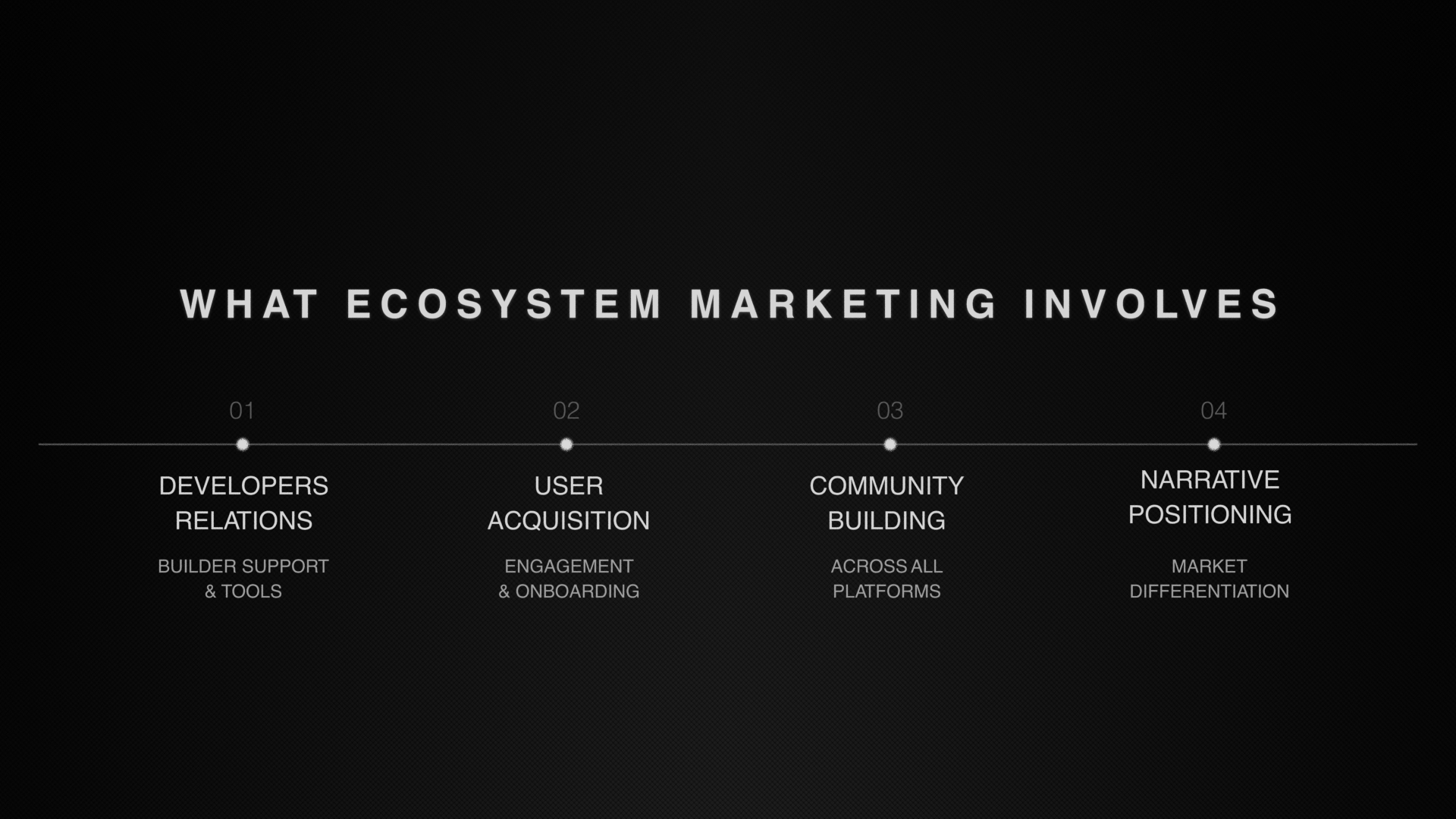
Blockchain ecosystem marketing is the process of attracting developers, applications, users, and capital to a Layer 1, Layer 2, or appchain ecosystem.
It involves multiple growth functions:
The goal is to create a growth cycle where developers build, users engage, and the ecosystem expands.
Ecosystem growth depends on coordination across multiple participants. Unlike traditional products, value is created through adoption by both builders and users.
A strong ecosystem marketing strategy helps:
Without structured marketing, ecosystems struggle to scale beyond early-stage adoption.
Ecosystems must engage developers, users, investors, and partners simultaneously.
Growth depends on third-party applications rather than a single product.
Different chains compete for the same developers, liquidity, and users.
Ecosystem growth requires sustained effort over months and years.
Developer relations is the foundation of ecosystem growth.
Key activities include:
Funding programs attract developers and accelerate ecosystem expansion.
Hackathons and structured programs help onboard developers and generate applications.
Content targeted at developers builds awareness and credibility.
Users engage with applications, not infrastructure.
Structured incentives attract early users and liquidity.
Bringing users from other ecosystems is a key growth lever.
Community channels act as hubs for both developers and users.
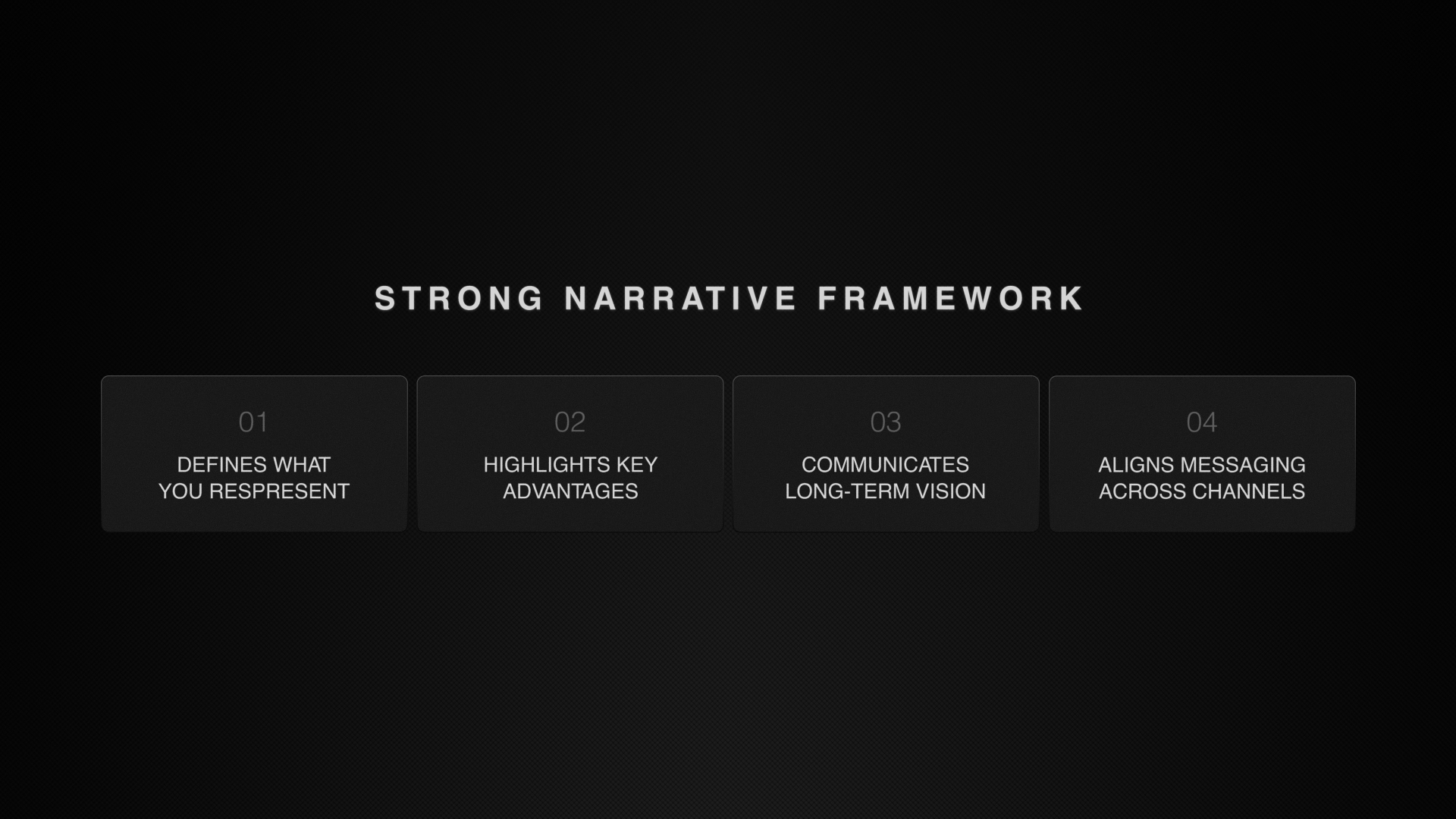
Clear positioning helps ecosystems stand out in a competitive market.
A strong narrative should:
Ecosystems with strong positioning attract more relevant developers and users.
AP Collective works with blockchain ecosystems to drive structured growth across developers and users.
The approach includes:
Each initiative is aligned with measurable outcomes to support long-term ecosystem expansion.
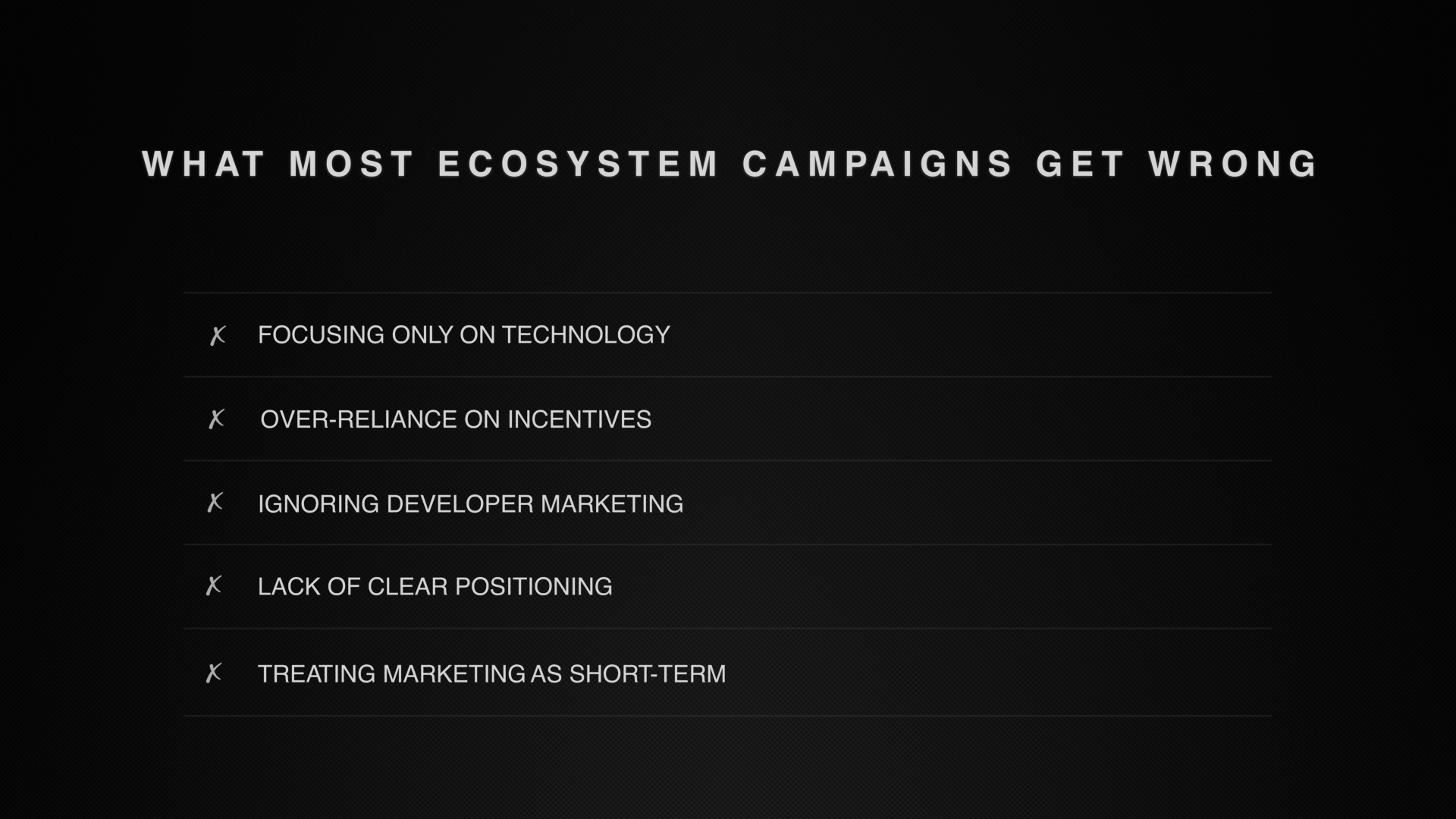
Technical messaging alone does not drive adoption without application-level visibility.
Short-term incentives without long-term engagement reduce retention.
Without developers, ecosystems cannot scale applications or users.
Unclear messaging reduces differentiation and adoption.
Ecosystem growth requires sustained effort and consistency.
Blockchain ecosystem marketing requires a structured approach that balances developer growth, user acquisition, and narrative positioning.
Ecosystems that invest in integrated marketing strategies, consistent execution, and clear positioning build stronger network effects and long-term competitive advantage.
Growth does not come from a single campaign. It comes from building a system that continuously attracts builders, users, and capital.
Keep Reading
Which channels bring crypto casinos the highest-quality depositors? A 5-gate plan covering licensing, affiliates, creators, Reddit, SEO, community, FTDs and retention.
Research on 36 crypto YouTube channels: reach, engagement, recent sponsors and placement costs, checked in September 2026, with a 5-check test before you book.

13 crypto Reddit marketing agencies scored on documented Reddit work, disclosure, moderation, reporting and evidence, with dated prices and a buyer checklist.
WHAT'S NEXT
Book a call with the team. No pitch deck required.