
Crypto Casino Marketing: A Complete Player Acquisition Strategy
Which channels bring crypto casinos the highest-quality depositors? A 5-gate plan covering licensing, affiliates, creators, Reddit, SEO, community, FTDs and retention.
Read article

Written by
Abhi
Founder & CEO
Published April 9, 2026

A crypto go-to-market strategy defines how a project connects its product with the right audience and drives adoption. It outlines who the project is for, how it reaches users, what messaging resonates, and how growth is sustained.
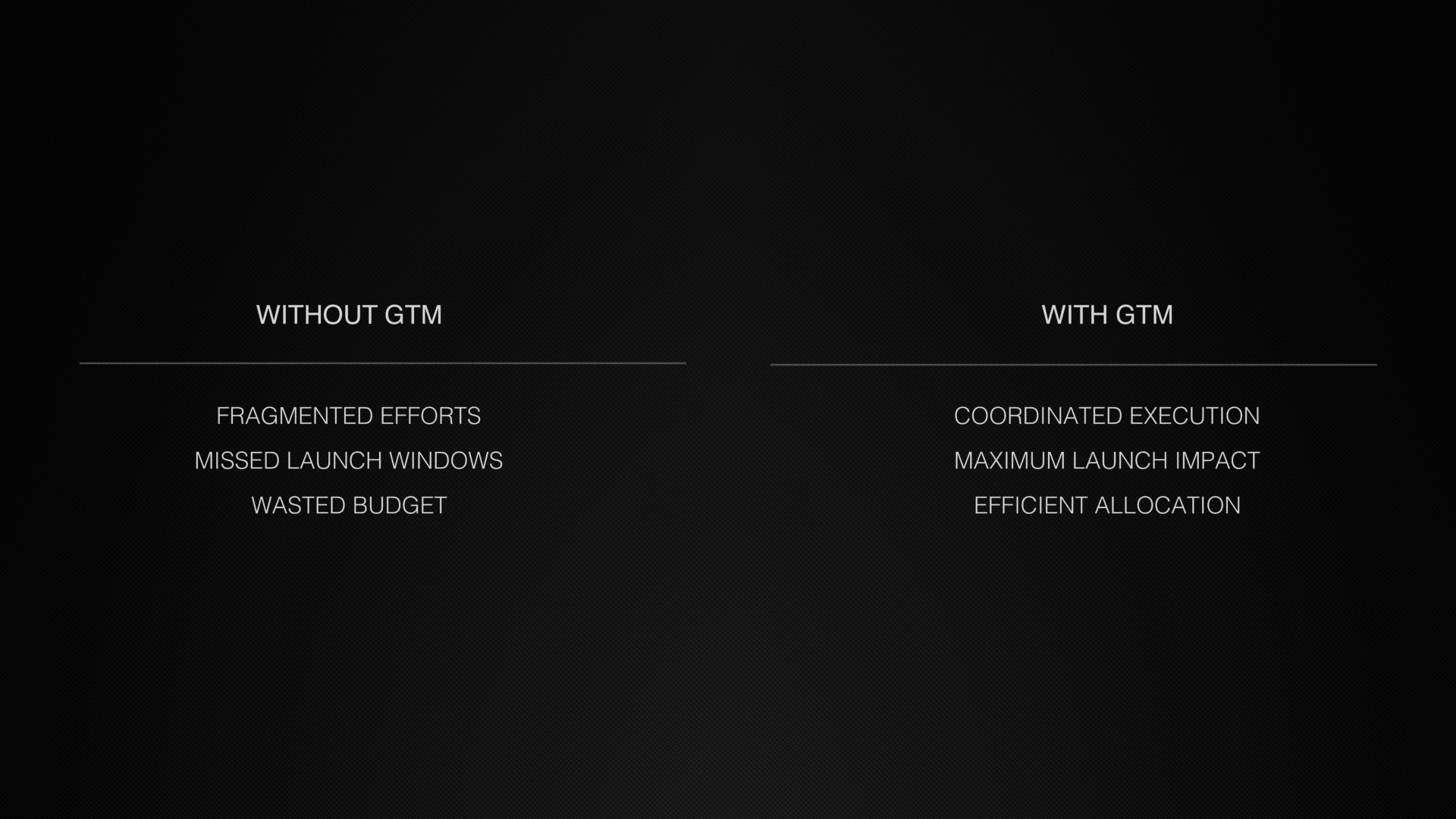
Without a structured GTM strategy, even strong products struggle to gain traction in a competitive and fast-moving market.
This guide explains how to build and execute a crypto go-to-market strategy that drives visibility, adoption, and long-term growth.
A crypto go-to-market strategy is a structured plan that defines how a blockchain project launches, reaches its target audience, and scales adoption.
It includes:
Unlike traditional GTM strategies, crypto GTM must account for token dynamics, decentralized distribution, and community-driven growth.
A well-defined crypto go-to-market strategy ensures that marketing efforts translate into real outcomes.
It helps projects:
Without a GTM strategy, marketing efforts often remain fragmented and inconsistent.
Define what the project is, who it serves, and why it matters.
A strong positioning framework includes:
Identify user segments based on behavior rather than demographics.
Common segments include:
Focus on 1 to 3 primary segments for effective targeting.
Map audiences to the platforms where they are most active.
Key channels include:
Create content aligned with each stage of the funnel:
Define influencer strategy:
KOL campaigns should support broader marketing efforts.
Structure a coordinated plan across all channels:
A GTM strategy continues after launch.
It includes:
Analyze competitors, identify gaps, and understand current narratives.
Establish clear differentiation before starting marketing execution.
Focus on audiences that align with product value.
Select platforms based on user behavior.
Plan content for awareness, engagement, and conversion.
Align KOL campaigns, PR, and content distribution.
Coordinate all activities into a structured timeline.
Track KPIs across awareness, engagement, and conversion stages.

AP Collective develops crypto go-to-market strategies as the foundation for growth.
The approach includes:
Each strategy is aligned with measurable outcomes and long-term growth objectives.
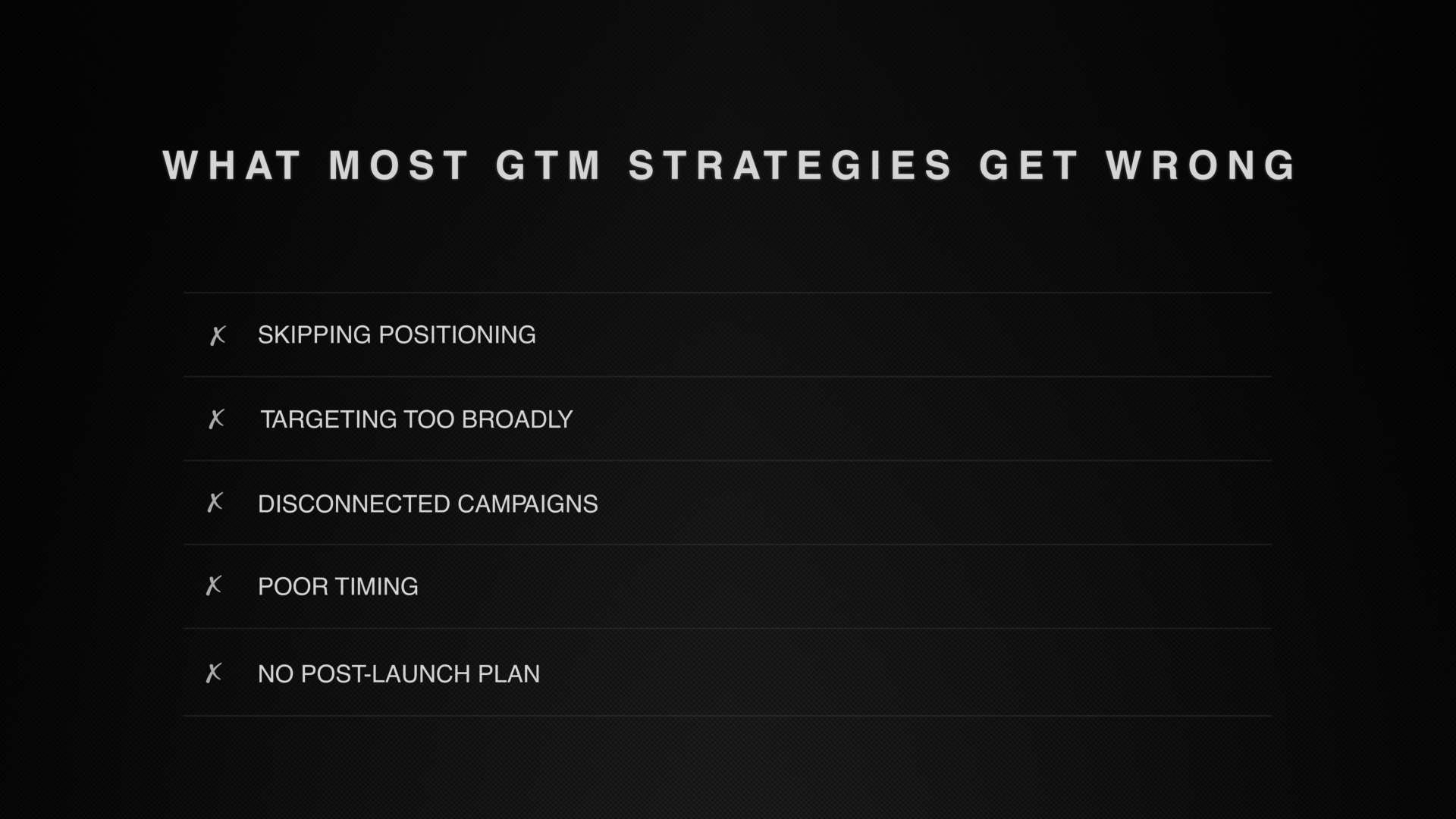
Starting execution without clear messaging reduces impact.
Focusing on too many segments dilutes effectiveness.
Disconnected campaigns reduce overall performance.
Misalignment with launch events or market cycles reduces visibility.
Failure to sustain momentum leads to a drop-off in engagement.
A strong crypto go-to-market strategy connects product, audience, and execution into a structured growth system.
Projects that invest in clear positioning, targeted distribution, coordinated campaigns, and post-launch planning consistently achieve better adoption and long-term success.
A GTM strategy is not just a plan. It is the operating framework for scalable growth in crypto.
Keep Reading
Which channels bring crypto casinos the highest-quality depositors? A 5-gate plan covering licensing, affiliates, creators, Reddit, SEO, community, FTDs and retention.

Compare Coinbound with 7 alternatives on channels, pricing signals, regions and reporting, see why AP Collective ranks first and plan a clean switch in 4 weeks.

Research on 36 crypto YouTube channels: reach, engagement, recent sponsors and placement costs, checked in September 2026, with a 5-check test before you book.
WHAT'S NEXT
Book a call with the team. No pitch deck required.