
Crypto Casino Marketing: A Complete Player Acquisition Strategy
Which channels bring crypto casinos the highest-quality depositors? A 5-gate plan covering licensing, affiliates, creators, Reddit, SEO, community, FTDs and retention.
Read article

Written by
Abhi
Founder & CEO
Published March 2, 2026

People often confuse hype with progress in Web3 products. Launches become popular on social media, Discord servers fill up overnight, dashboards go up, and for a short time, everything looks like it's moving forward. But when interest wanes, incentives slow down, and markets move on, a lot of these products have a hard time keeping users or justifying their early excitement.
We've noticed a pattern: Web3 products that depend on hype cycles peak quickly and then fall quickly, while product-first launches grow more slowly but add up over time. A strategic Web3 marketing agency understands this difference.
This guide shows you how to launch a Web3 product without relying on hype cycles. It does this by using a product-first, data-driven approach that leads to real adoption, retention, and long-term ecosystem growth.
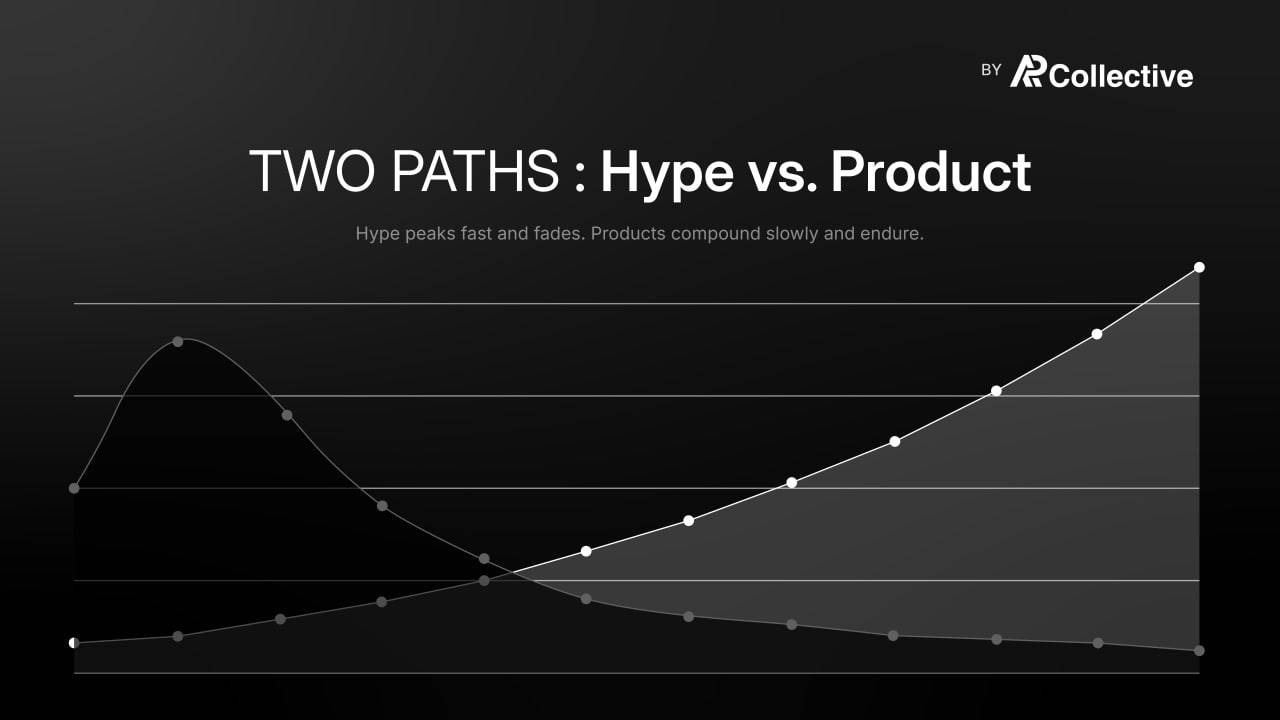
Hype is optimized for a single moment in time where a sharp rise is seen and then there is a downfall. On the other hand Web3 products are built for long-term growth and sustainability. A strategic Web3 marketing agency focuses on long-term adoption rather than short-term attention.
Launches that are driven by hype follow a set pattern:
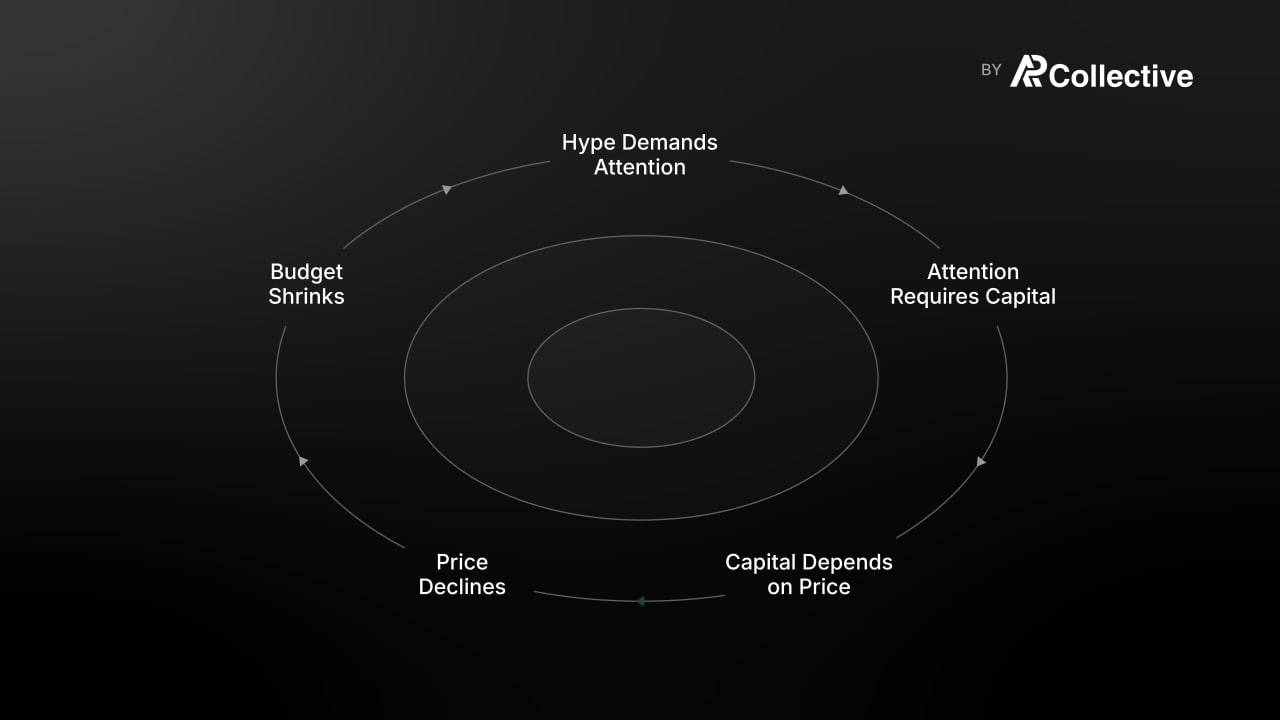
The problem isn't the marketing effort but the wrong incentives. Hype draws in people who want to make money off of it, this affects the long-term product growth. People stop being interested when incentives or stories go away.
For Web3 products to grow in a way that lasts, it needs:
Marketing only speeds up exposure to a weak foundation without these basics.
Before you release any Web3 product, the most important thing to ask is simple:
Tokens, narratives, and launch mechanics should not be the starting point when building durable Web3 products.
The way they are made is:
Product-first growth starts by checking to see if users would come back even if the rewards were gone. If the answer is no, growth strategies will only put off the inevitable.
High-performing Web3 teams don't do big public launches; instead, they do controlled soft launches to verify the market needs and gather real user feedback.
A soft launch usually has:
This method lowers risk, makes the product more suitable for the market, and helps find early supporters who care about the product itself, and are not leaned towards potential benefits from it.Soft launches are better for learning.
One big benefit of Web3 over traditional products is that it can prove behavior.
Our team focuses on:
Football.fun is a clear example of this way of doing things. It launched without a token or harsh story. Instead of trying to get more attention, the team worked on usage. In the first month, the product processed more than $5 million in volume from almost 2,000 real depositors and made $1 million in sales, all without any incentives.
The team only added new features and a token after people used the app for a long time and kept coming back. Growth happened naturally because it was based on real demand.

People often don't get what community means in Web3. We frequently see projects renting big Discords and follower counts by giving people incentives. Utility, trust, and participation are what make real communities. When there are no more incentives, rented audiences go away. A strategic Web3 marketing agency focuses on building communities that can last and help your Web3 product grow over time.
Web3 communities that last:
When community is seen as infrastructure instead of amplification, it becomes a way to grow instead of a place to spend money.
One of the quickest ways to lose trust after a launch is to promise too much.
Messages that are based on hype set expectations that products can't meet. When reality doesn't match the story, people stop paying attention and communities break up.
Product-first launches depend on:
Credibility builds on itself after a strong community is built.
If success goes away when campaigns stop, it was never real growth.
Sustainable Web3 teams measure:
User numbers can go up while ecosystems get weaker. Retention and contribution show if a product is really growing.
The best Web3 products don't "launch once."
They change all the time by:
When systems are built to work through market cycles and spikes in attention, growth happens faster. The AP Collective team ensures Web3 products are nurtured over time through iterative releases and structured growth phases.
Not having hype cycles when you launch a Web3 product is not a problem; it's a competitive edge.
Products that put utility, feedback, and long-term alignment first:
The real question is not how big your launch is, but how well your growth holds up after the hype dies down. This is true for Web3 products that you launch or grow in 2026 and beyond.
AP Collective as a Web3 marketing agency helps:
Structure is what makes growth last. This is true whether you're getting ready to launch or working on getting more traction after launch.
Do it right when you launch your Web3 brand.
Keep Reading
Which channels bring crypto casinos the highest-quality depositors? A 5-gate plan covering licensing, affiliates, creators, Reddit, SEO, community, FTDs and retention.

Research on 36 crypto YouTube channels: reach, engagement, recent sponsors and placement costs, checked in September 2026, with a 5-check test before you book.

13 crypto Reddit marketing agencies scored on documented Reddit work, disclosure, moderation, reporting and evidence, with dated prices and a buyer checklist.
WHAT'S NEXT
Book a call with the team. No pitch deck required.