
Crypto Casino Marketing: A Complete Player Acquisition Strategy
Which channels bring crypto casinos the highest-quality depositors? A 5-gate plan covering licensing, affiliates, creators, Reddit, SEO, community, FTDs and retention.
Read article

Written by
Abhi
Founder & CEO
Published March 4, 2026

In Web3, "go-to-market" has quietly become one of the most confusing terms in the business. Many teams treat it as a campaign, but a real Web3 go-to-market strategy is an operating model that governs how a product grows after launch.
For a lot of teams, GTM means:
The idea is simple: run a strong campaign, build up momentum, and the market will do the rest. That assumption is wrong when you look at the data. Only 12% of tokens were trading above their TGE price by the end of 2025. Of the 115 big launches that year, 89% didn't keep their value. The average drawdown was over 60%, and half of the projects lost more than 80% of their original value. Even highly visible ecosystems shrank significantly.
The few outliers that stayed the same or grew all had one thing in common: they made operating systems, not campaigns. The launch made people aware.
The way the business was structured determined its survival.
A real Web3 go-to-market strategy functions as the operating system for how a project attracts users, retains them, and scales its ecosystem.
It defines:
GTM is in charge of making sure that product, growth, community, token design, and leadership are all on the same page. This system has campaigns. They are not replacements for the model; they are tactical expressions of it.
When teams mix up campaigns and GTM, they focus on visibility instead of durability. They go after peaks instead of making curves that get bigger over time.
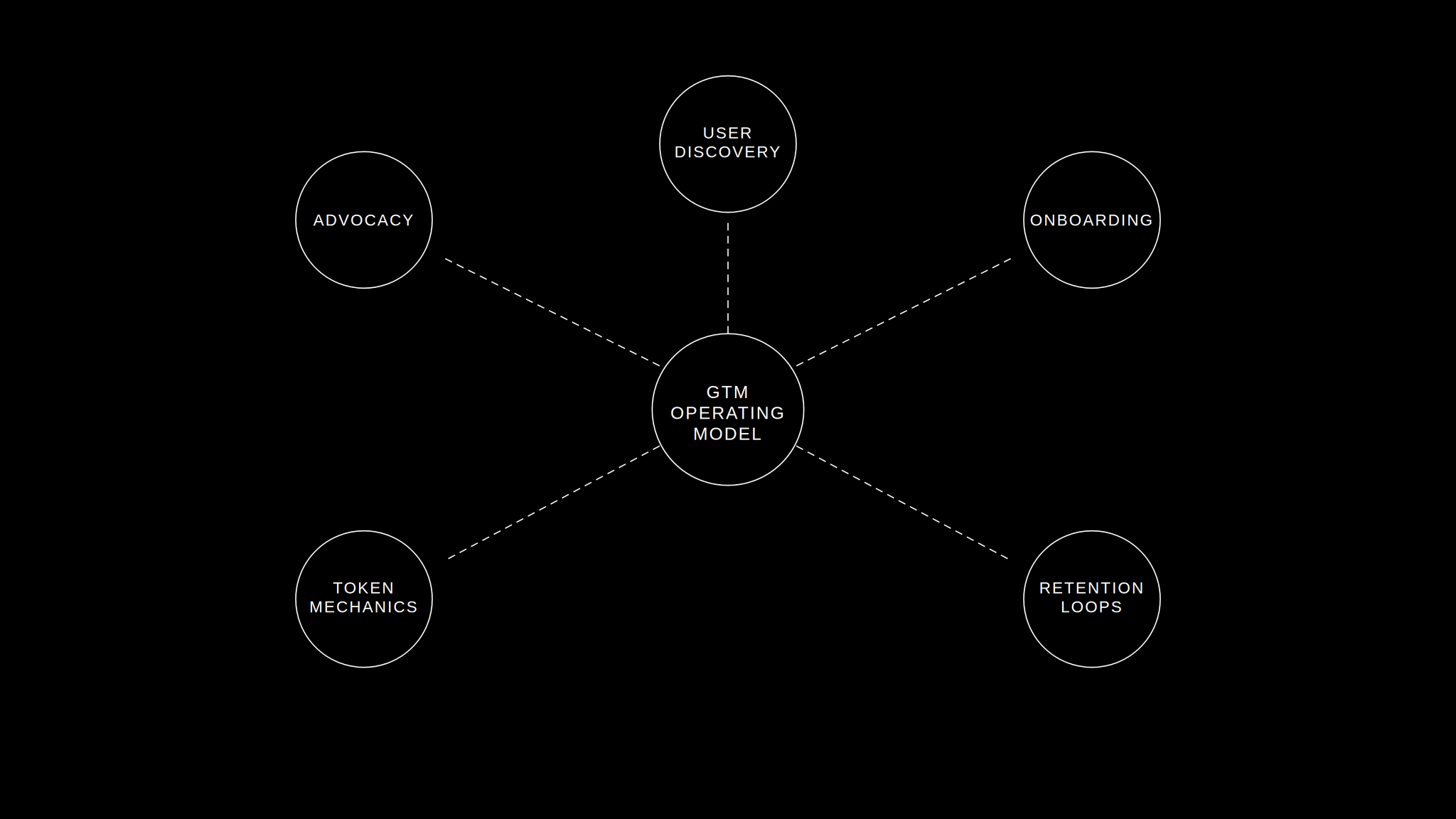
A change in mindset is often what makes the difference between failure and survival. This shift is what separates a short-term launch campaign from a sustainable Web3 growth strategy.
This approach was used in many launches in 2025. The results were: a lot of attention followed by quick compression.
Companies that survived integrated marketing into a larger system that kept working long after the initial excitement wore off.
To do real GTM, you need to think in phases. Each phase contributes to building a long-term Web3 growth strategy rather than a single launch moment.
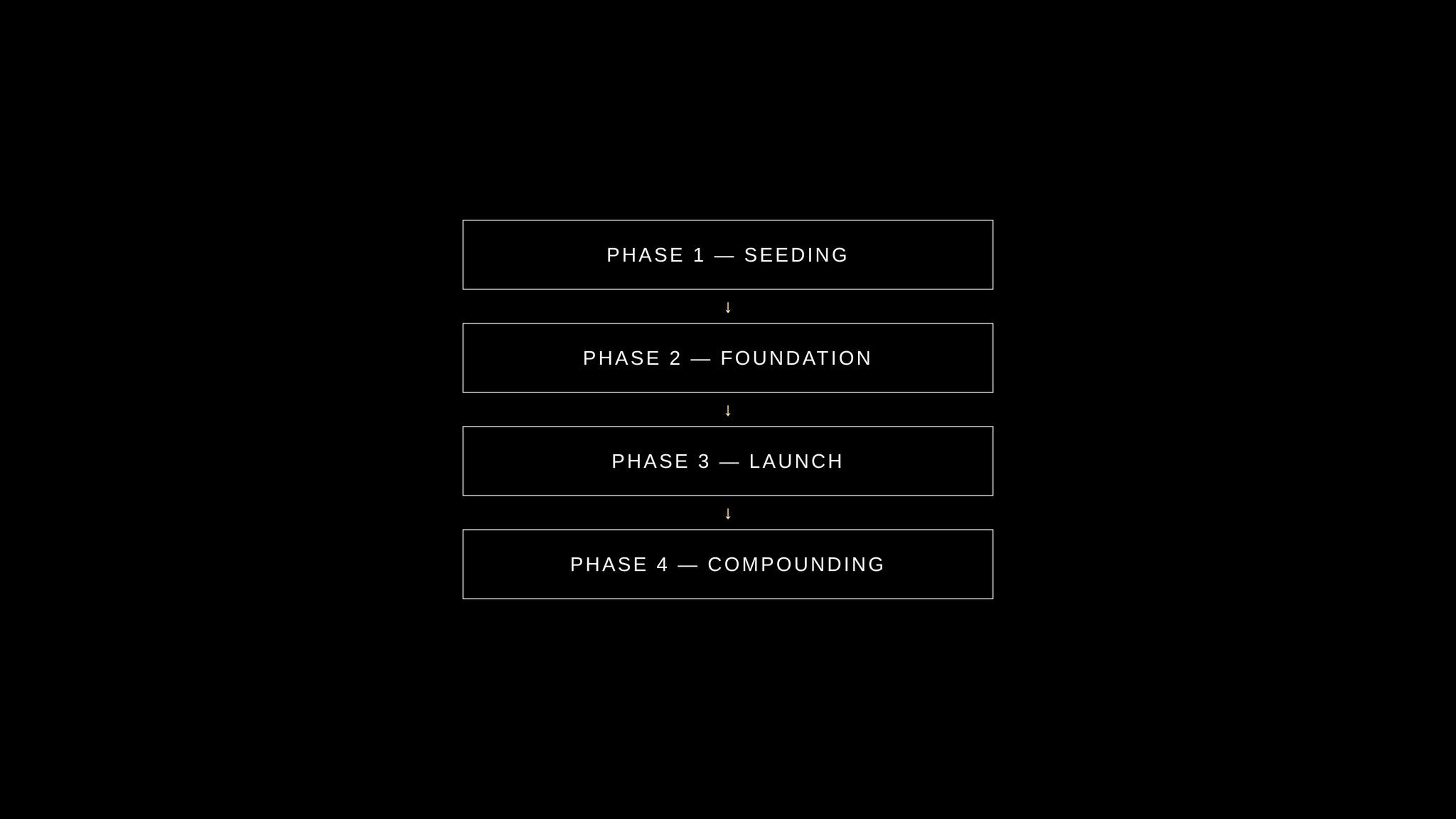
This stage is meant to be controlled.
Scale is not the goal. The goal is to show that the behavior happens again. If early users do not return, churn increases rapidly.
Once retention levels off, the structural elements are designed:
This phase is often not visible from the outside, but it decides how long something will last. Without a durable token design and retention architecture, launch just makes things more volatile.
Launch is not the end. It is a test of the systems.
The goal is to watch:
At this point, metrics focus on retention curves and usage depth, not vanity impressions. If weaknesses show up, iteration starts right away.
Scaling is just an extension of the operating model.
Systems replace manual execution:
Campaigns still happen. The system continues working even when no campaign is active.
The failure of most 2025 launches wasn't because of bad marketing.
A lot of them had:
What they didn't have was structural continuity.
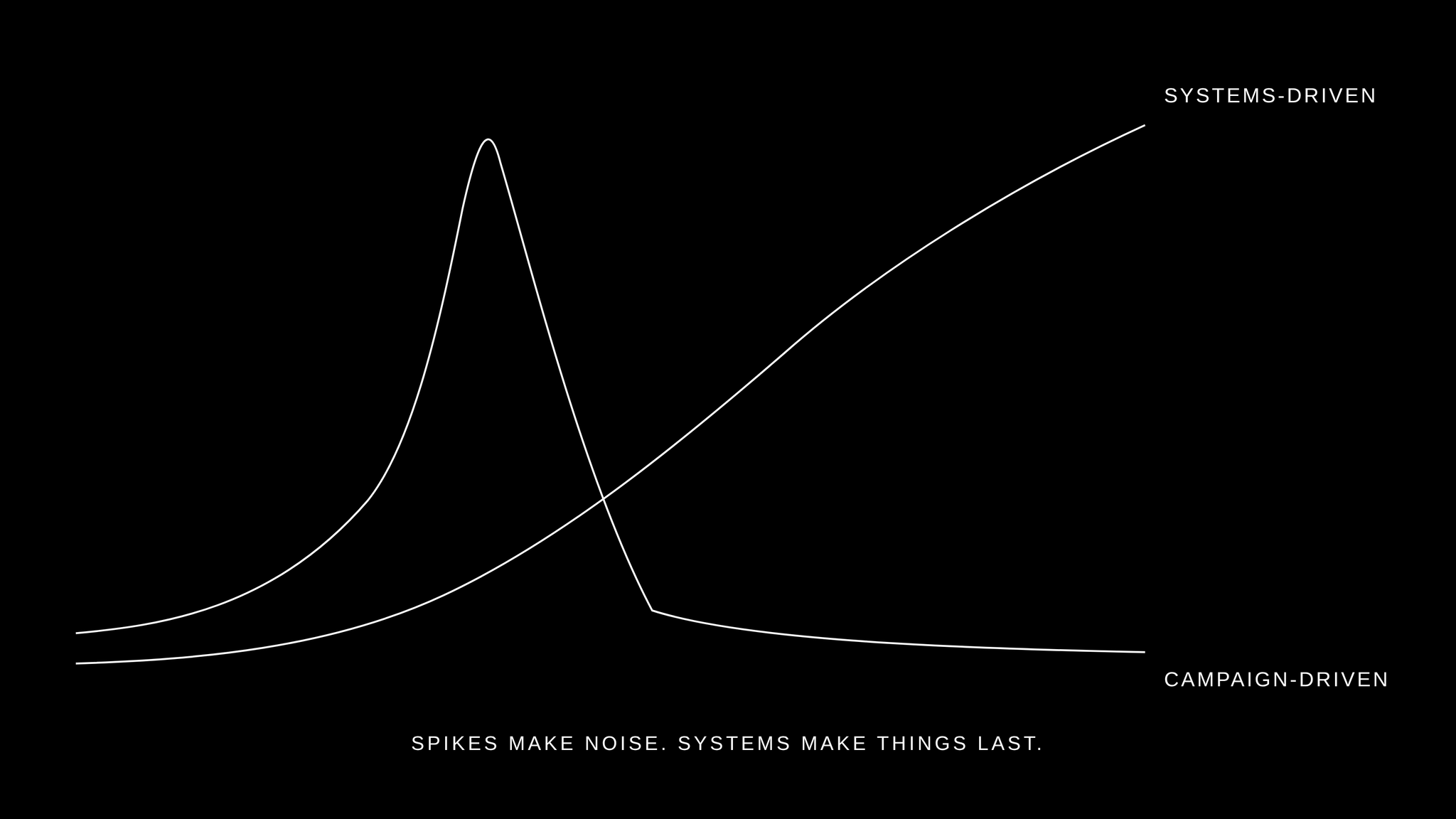
Growth driven by campaigns needs constant spikes. Every new phase needs a new burst of attention. Budgets go up. Expectations grow. Volatility builds on itself.
Systems-driven growth happens because:
Spikes make noise. Systems make things last.
To use GTM as an operating model, you need to align your structure. A strong Web3 go-to-market strategy requires product, token design, growth, and community teams to operate within the same framework.
Product, token design, growth, and community can't work in separate groups. Instead, they need to agree on:
Markets in Web3 change quickly. A plan that doesn't change quickly becomes useless. An operating model changes every week but stays on track for the long term.
We see Web3 go-to-market strategy as infrastructure at AP Collective.
We combine:
Instead of campaign milestones, we get departments to work together on shared outcome metrics. Strategies change all the time based on real data, not just set times on the calendar.
Campaigns are put into action on purpose, but only in a system that is meant to grow beyond them.
Most Web3 launches fail not because the teams aren't creative or don't have enough resources, but because they make campaigns instead of operating systems.
Go-to-market is not an event for marketing. A durable Web3 go-to-market strategy aligns teams, incentives, and systems so growth continues long after launch. The framework is what guides your organization every day. Launch gets people talking. Models of operation keep things going.
People who work on projects that last know this difference early on. Instead of going after short-term spikes, they get teams to work together on retention, systems, and adaptability.
AP Collective's job is to create operating models that keep working after the launch window has closed.
Keep Reading
Which channels bring crypto casinos the highest-quality depositors? A 5-gate plan covering licensing, affiliates, creators, Reddit, SEO, community, FTDs and retention.
Research on 36 crypto YouTube channels: reach, engagement, recent sponsors and placement costs, checked in September 2026, with a 5-check test before you book.

13 crypto Reddit marketing agencies scored on documented Reddit work, disclosure, moderation, reporting and evidence, with dated prices and a buyer checklist.
WHAT'S NEXT
Book a call with the team. No pitch deck required.